

Rice Paper: Everything You Need to Know About This Versatile Ingredient
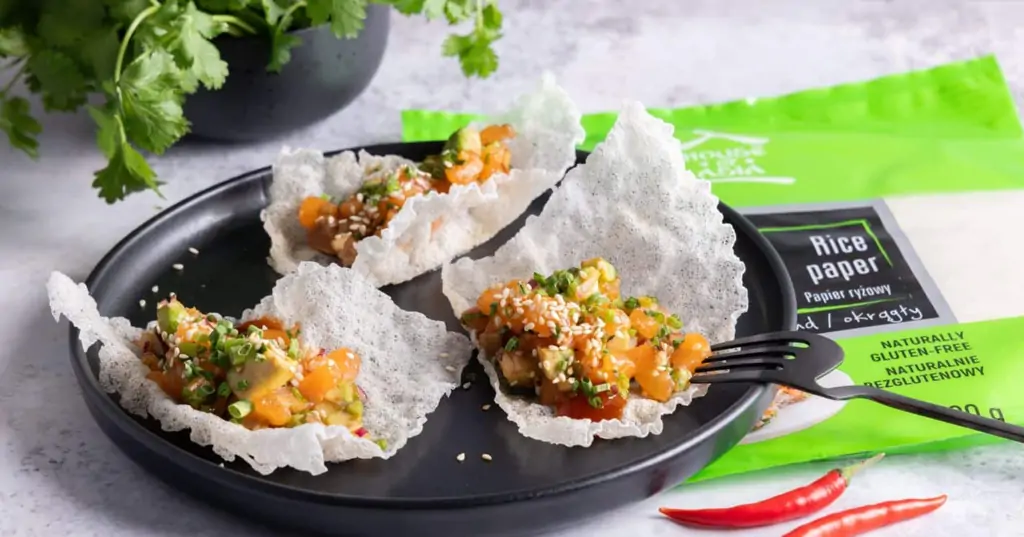
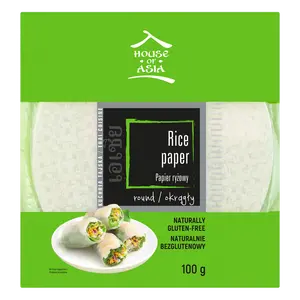
Rice paper (also known as rice paper in Vietnamese cuisine) it is a thin, translucent sheet made from rice, water and salt. It is an edible sheet that is dried in the traditional way, often on bamboo racks, which gives the surface its characteristic lattice pattern.
The main ingredients of rice paper are:
- Rice flour – the main ingredient that provides structure
- Tapioca starch – added to improve elasticity and prevent cracking
- Water and salt – for texture and flavor
Rice paper comes in a dry, rigid form and must be briefly soaked in water before use to become soft and flexible.
What is rice paper used for?
Rice paper is extremely versatile and is used in numerous dishes, especially in Southeast Asian cuisine:
1. Fresh spring rolls (spring rolls)
The most well-known use – filling with vegetables, noodles, shrimp or tofu, wrapped in a soft rice paper leaf and served raw with a dipping sauce.
2. Fried spring rolls
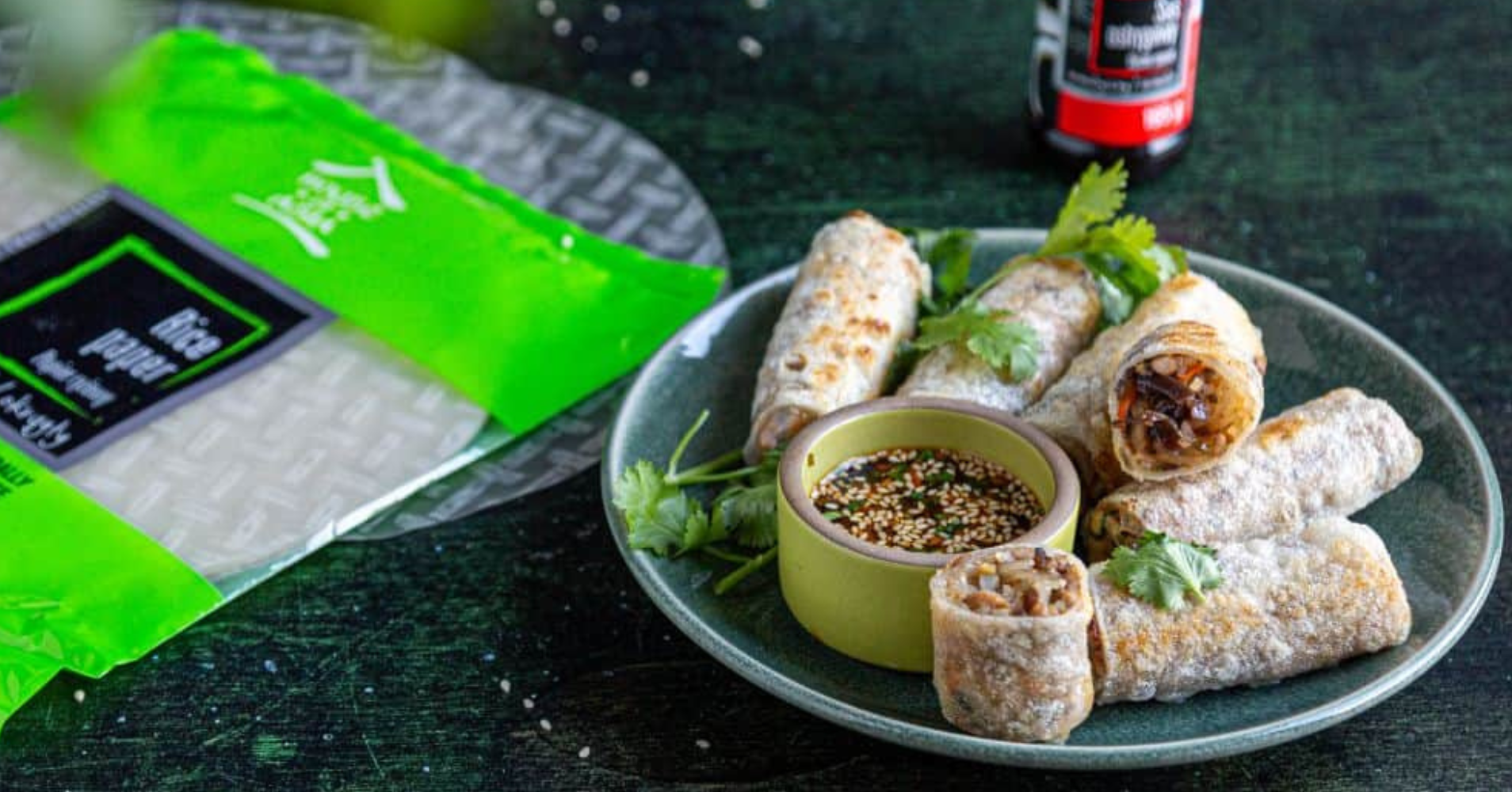
Rice paper is also used to prepare crispy, baked or fried rolls that develop a beautiful golden and crispy crust.
3. Tortilla substitute
An increasingly popular option for wraps and sandwiches – it is light, gluten-free, and offers a different, gentler texture.
4. Vietnamese summer salads and meat-filled spring rolls
It pairs with chicken, pork, or plant-based proteins for a light and refreshing meal.
5. Creative uses for desserts
More and more chefs are experimenting with rice paper in sweet variants – filled with fruit, creams, or chocolate.
How to properly prepare rice paper
The biggest challenge with rice paper is preventing tearing and sticking. Here is a proven method:
- Prepare lukewarm water in a wide bowl or plate – the water must not be hot.
- Dip the sheet of rice paper for 3-5 seconds, turning it to ensure even soaking.
- Place it on a flat, damp surface (wooden board or silicone mat).
- Wait about 10 seconds – the paper will continue to soften even outside of water, so it should not be kept submerged for too long.
- Fill immediately while it is still flexible, because rice paper dries quickly and becomes brittle.
Tip: If the sheets stick together or to the substrate, add a little more water when soaking the next sheet, or work on a damp cloth.
Nutritional values of rice paper
Rice paper is a popular choice for those watching their calorie intake or looking for a gluten-free alternative, because it is:
- Low-calorie content – an average sheet has only 30-40 calories
- Gluten-free – naturally suitable for people with celiac disease or gluten intolerance
- Fat-free – since it is not fried (unless you prepare it that way yourself)
- Easy to digest – thanks to a simple composition
It is important to note that rice paper itself does not contain much fiber or protein, so the nutritional value of the meal depends mainly on the filling you choose – više fresh vegetables and quality proteins, the richer and more balanced the meal.
Where to buy rice paper?
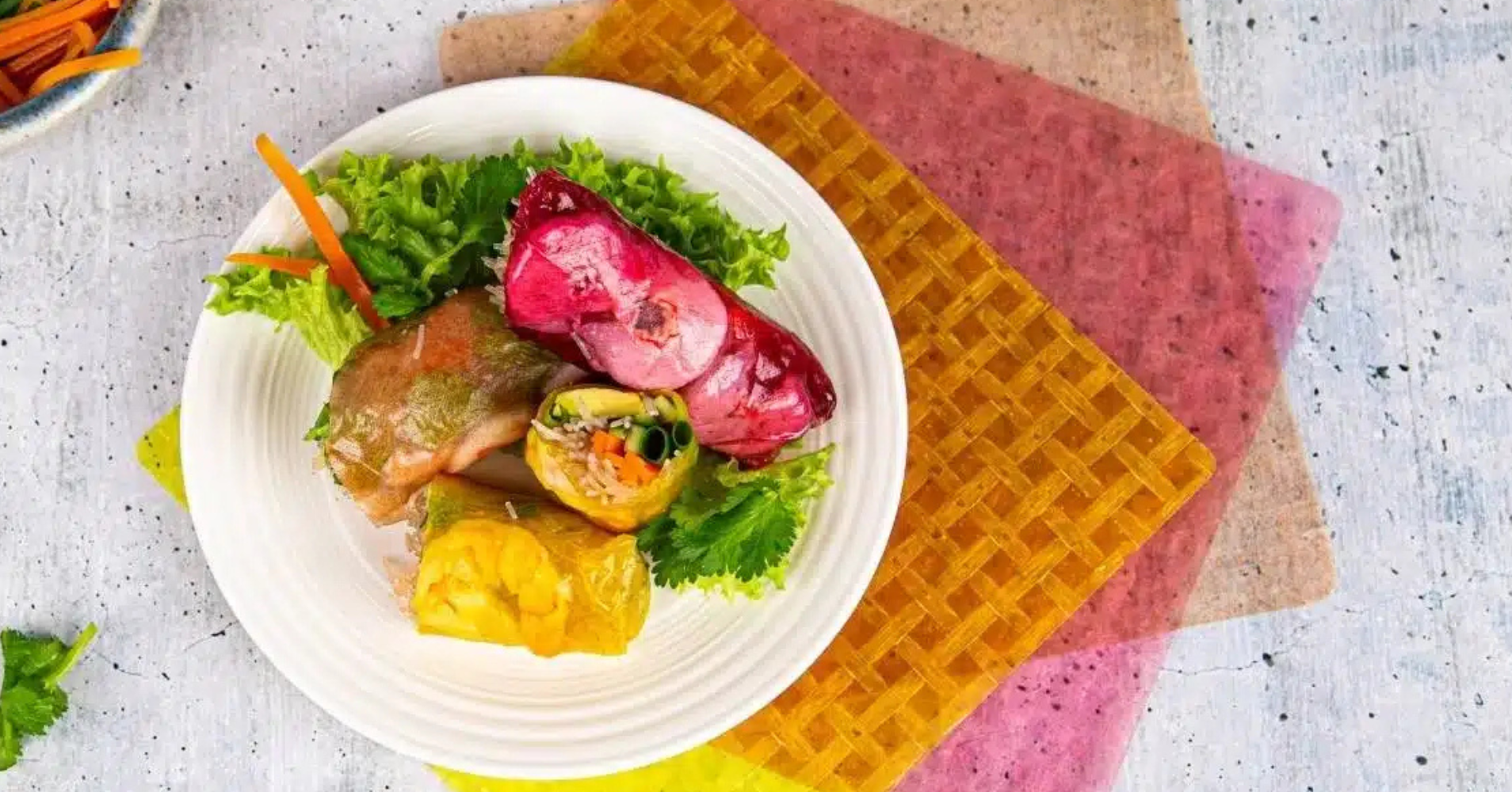
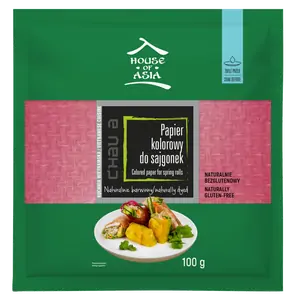
Rice paper can be purchased at Deliiicije stores or ordered online. The selection includes classic rice paper and colored rice paper for those who like to add a touch of color to their cooking.
How to store rice paper
Unused, dry rice paper can sit for months at room temperature, in a well-sealed package, protected from moisture. Finished rolls with rice paper are best eaten the same day because the paper hardens over time and loses its fresh texture, but they can be stored briefly in the refrigerator covered with a damp cloth.
Frequently asked questions about rice paper
Is rice paper the same as rice noodle paper? No. Rice paper and rice noodles are made from a similar base (rice), but rice paper is a thin, dried sheet, whereas the noodles are a completely different product in shape and preparation.
Can rice paper be frozen? Dry, unused rice paper can be frozen, but it is recommended to store at room temperature because freezing can affect texture during soaking.
Is rice paper suitable for vegans? Yes, classic rice paper contains only plant-based ingredients, so it's suitable for a vegan diet.
Is rice paper healthy? Rice paper by itself has a simple and clean composition – it has no fat, no gluten, and is low in calories, što ga čini dobrim izborom za lakše obroke. However, "zdravlje" obroka najviše ovisi o punjenju: rolica puna svježeg povrća, proteina i zdravih masnoća bit će znatno hranjivija od one koja je pretežno punjena rezancima ili je naknadno pržena u ulju. Ukratko, rižin papir je dobra osnova, ali kvaliteta cijelog jela ovisi o tome čime ga punite.
What does rice paper taste like? Rice paper itself has a very mild, almost neutral flavor, with a light note of rice, and is practically odorless. Because of that, it perfectly takes on the flavors of the ingredients it's paired with – whether it's fresh herbs, sauces, or fillings of meat and vegetables. Texture is what stands out the most: after soaking it becomes soft, elastic, and a bit "gum-like", while baking or frying it becomes pleasantly crispy.

Featured

Gluten-free products: Reasons and solutions

Unusual chocolate that has conquered the world!
World of Chocolate

Dingač Adria - the best among the best

Twinings

Valor
RECIPE: Tiramisu cheesecake
Walkers
Mushroom Cups organic coffe



Reviews and comments for Rice Paper: Everything You Need to Know About This Versatile Ingredient